
How to Prepare for Lobuche Peak Climbing: The Complete Guide (Training, Gear, Acclimatization & Safety)
16th Nov, 2026
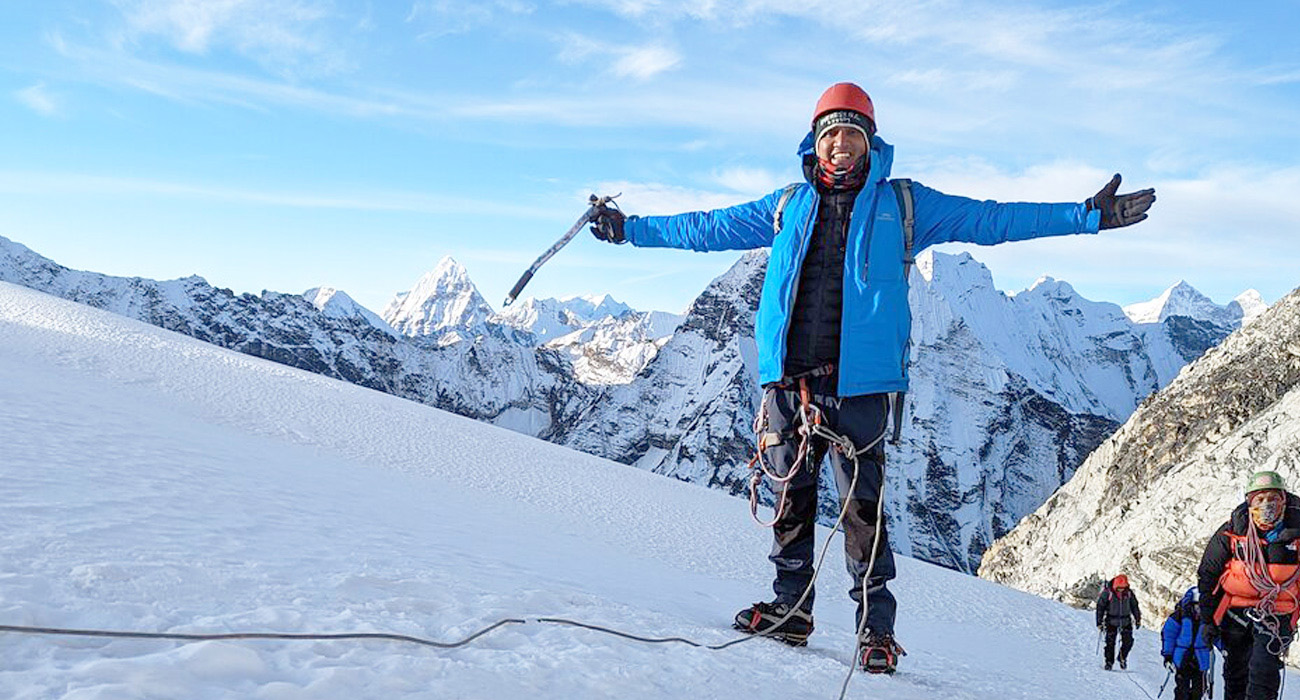
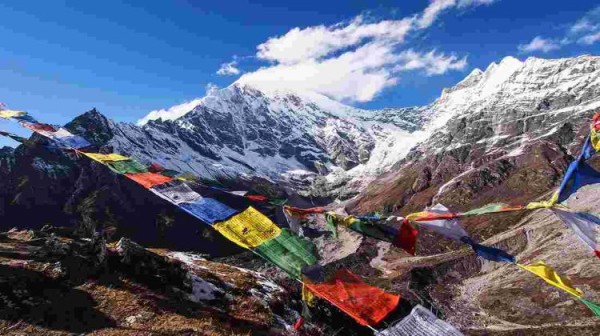
Few climbs in Nepal combine a classic trek and a real Himalayan summit as neatly as Lobuche Peak. You walk the legendary Everest Base Camp trail, stand at Everest Base Camp and Kalapatthar, then turn toward Lobuche East (6,119 m / 20,070 ft) for a steep, rope-assisted summit push with views of Everest, Lhotse, Nuptse and Ama Dablam.
Table of Contents
But Lobuche is not a walk-up. It is a challenging, slightly technical climb that rewards the climbers who prepare well. This guide explains how to prepare for Lobuche Peak climbing: training, skills, acclimatization, gear, permits, insurance and mindset.
Lobuche Peak at a Glance
|
Detail |
Information |
|---|---|
|
Summit altitude |
Lobuche East 6,119 m / 20,070 ft (Lobuche West is 6,145 m) |
|
Region |
Khumbu (Everest region) |
|
Grade |
Challenging, with steep sections, fixed ropes and crevasses |
|
Best seasons |
Spring (March to May) and autumn (September to November) |
|
Typical duration |
16 days from Kathmandu |
|
Route highlights |
Everest Base Camp, Kalapatthar, Lobuche Base Camp and High Camp |
|
Group size |
1 to 10 climbers |
See the full plan on the Lobuche Peak Climbing itinerary from Mountain Eco Treks.
1. Understand the Challenge
Be honest about what you are signing up for:
- Altitude. You will sleep at Lobuche High Camp at about 5,600 m and summit above 6,100 m.
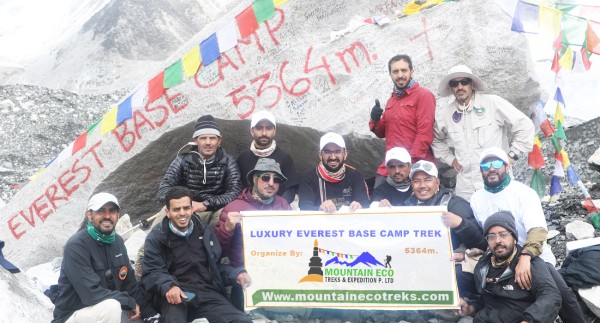
- A long, high approach. The route passes Namche Bazaar, Tengboche, Dingboche and Lobuche, then continues to Everest Base Camp (5,364 m) and Kalapatthar (5,545 m) before the climb.
- A technical summit. The climb is steep and slightly technical, with fixed ropes, ice axes, narrow ridges and crevasse crossings.
- A long summit day. Expect around 8 hours of climbing and descent from High Camp to Base Camp, in cold conditions.
- Cold camps. You will sleep in tents at Base Camp and High Camp, so comfort and warmth matter.
The operator recommends good fitness and prior mountaineering or high-altitude experience. If you are newer to climbing, consider building skills first with a gentler peak such as Island Peak or a well-supported high-altitude trek.
2. Choose the Right Season
The best windows are:
- Spring (March to May): Stable weather and clear skies.
- Autumn (September to November): Crisp air and excellent visibility.
Winter is bitterly cold and the monsoon (June to August) brings poor visibility and difficult conditions. Pick your season, then count back at least 4 months to begin training.
3. Build a Lobuche Training Plan (12 to 16 Weeks)
Aim for 4 to 5 sessions per week and build gradually. Check with your doctor before starting a new program, especially if you have heart, lung or blood-pressure conditions.
Cardiovascular Endurance
Your trek includes long days on high, rocky trails before you even reach the climb. Build stamina with:
- Hiking, running, cycling, swimming or stair climbing
- 3 weekly sessions of 45 to 90 minutes
- One long weekend hike, growing from 3 hours to 6 to 8 hours
Leg and Core Strength
Strong legs protect your knees on steep descents. Twice a week include:
- Squats, lunges and step-ups
- Calf raises and deadlifts
- Planks and core stability work
Upper-Body and Grip Strength
Lobuche's steep sections use fixed ropes, so arms and grip matter. Add:
- Pull-ups or assisted pull-ups
- Rows and farmer's carries
- Dead hangs for grip endurance
Loaded Hiking
Once a week, hike with a weighted daypack and the same boots you will wear in Nepal. This builds specific strength and breaks in footwear.
Sample Progression
|
Weeks |
Focus |
Weekend hike |
|---|---|---|
|
1 to 4 |
Aerobic base and basic strength |
2 to 3 hours |
|
5 to 8 |
More volume, loaded hikes, upper-body work |
4 to 5 hours |
|
9 to 12 |
Peak training with back-to-back long days |
6 to 8 hours, two days in a row |
|
13 to 16 |
Maintain, then taper for the final 10 days |
Easy outings only |
Pro tip: If you live somewhere flat, use stairs or an incline treadmill with a loaded pack.
4. Learn and Practice Technical Skills
Because Lobuche is more technical than many trekking peaks, arrive comfortable with the basics:
- Walking in crampons on snow and ice
- Using an ice axe for balance and self-arrest
- Moving on fixed ropes with an ascender
- Clipping carabiners while wearing thick gloves
- Moving roped on a glacier and understanding crevasse safety
- Wearing a harness and heavy mountaineering boots for hours
A one- or two-day snow-and-ice skills course makes a big difference. Your guides will brief you and check your technique before the summit attempt, but the more familiar you are, the more energy you save.
5. Get High-Altitude Experience
Experience at altitude is the best predictor of how your body will respond. Consider:
- Trekking above 4,000 m before your trip. The Everest Base Camp trek is an ideal rehearsal, and Lobuche's route already includes it.
- Spending time above 3,000 m in the months beforehand, if possible.
- Climbing a smaller peak first, such as Mera Peak or Island Peak, to practice crampons, ropes and cold-weather camping.
Tell your guide honestly about your altitude history so the pace can be adjusted.
6. Plan Smart Acclimatization
Lobuche's itinerary builds acclimatization into the trek. A typical 16-day schedule includes:
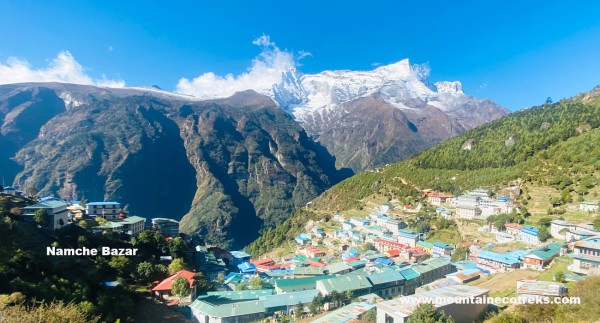
- A rest day in Namche Bazaar (3,440 m) with a short hike toward the Everest View Hotel
- Gradual gains through Tengboche, Dingboche and Lobuche village
- Everest Base Camp (5,364 m) and Kalapatthar (5,545 m) before moving to Lobuche Base Camp (about 4,865 m)
- A climb to High Camp (5,600 m) the day before the summit push
This approach follows the "climb high, sleep low" principle.
Altitude Rules to Follow
- Walk slowly and keep a pace where you can still talk.
- Drink 3 to 4 liters of water daily.
- Eat regularly, even when appetite drops.
- Report symptoms immediately. Headache, nausea, dizziness or unusual fatigue should never be ignored.
- Never ascend with worsening symptoms.
Mountain Eco Treks provides a pulse oximeter to monitor blood-oxygen saturation during the trip. Some climbers carry medication such as Diamox, but discuss that with your doctor before you travel.
7. Pack the Right Gear
The operator's gear list for peak climbing includes:
- Plastic mountaineering boots (one pair)
- Crampons (one pair) and ice axe
- Harness and two carabiners
- Snow gaiters
- Snow and sun glasses
- Warm gloves
- Windproof jacket and trousers
- Down jacket and down sleeping bag with inner liner
- Ski or trekking poles (optional)
Technical group gear, such as main ropes and snow bars, is typically organized by the expedition team, and many items can be bought or hired in Kathmandu. The package includes down jackets and sleeping bags with liners, plus a medical kit, but personal trekking gear and climbing equipment are listed as excluded, so confirm exactly what you need to bring.
Extra Essentials
- Thermal base layers, fleece and a warm hat or balaclava
- Thick wool socks and liner socks
- Headlamp with spare batteries
- Sunscreen SPF 50+ and lip balm
- 10 to 15 kg-capacity daypack
- Refillable water bottles and water purification tablets
- Blister plasters, painkillers, anti-diarrheal tablets and personal prescriptions
- Power bank, camera and a 2-pin adapter
Packing tip: Break in your boots for weeks before departure, avoid cotton and test every item on a training hike.
8. Arrange Permits and Paperwork
You will need:
- Lobuche Peak climbing permit from the Nepal Mountaineering Association (NMA)
- Sagarmatha National Park entry permit
- TIMS card
- Valid passport and Nepal visa
The Mountain Eco Treks package includes TIMS, national park fees and the NMA climbing permit. The operator's page mentions NMA climbing permits at around USD 350 per person, but fees change by season and over time, so confirm current costs before booking. Your passport should have at least six months of validity, and visas can be obtained on arrival at Tribhuvan International Airport.
9. Buy the Right Travel Insurance
Personal travel and medical insurance is not included in the package, and emergency evacuation by helicopter is listed as an extra. Choose a policy that:
- Explicitly covers peak climbing above 6,000 m
- Includes emergency helicopter evacuation and medical repatriation
- Covers hospitalization and altitude-related illness
- Ideally includes trip cancellation and baggage cover
Many standard policies exclude mountaineering, so read the fine print carefully. Carry printed and digital copies of your policy and share the details with your guide before the climb.
10. Pick a Trusted Operator and Guide Team
The right team is your biggest safety asset. Look for:
- Licensed climbing guides and Sherpas with Everest-region experience
- An itinerary with proper acclimatization days
- Clear inclusions and exclusions
- Rescue arrangements and medical kits
- Fair treatment, pay and insurance for guides and porters
Mountain Eco Treks is a Kathmandu-based, government-registered operator established in 2017, offering a guided 16-day Lobuche Peak expedition with climbing permits, domestic flights, lodge and tent accommodation, meals and guide services. Climbers on the page praise guides for calm leadership and careful acclimatization. Have questions? Contact the team.
11. Prepare Mentally
Summit day is cold, steep and tiring. Prepare by:
- Training on long days when motivation is low
- Practicing steady breathing and a sustainable pace
- Accepting that turning back is a smart decision, not a failure
- Visualizing the early start, the headlamp trail and the rope sections
Always follow your guide's call on weather and conditions.
12. What to Expect on Summit Day
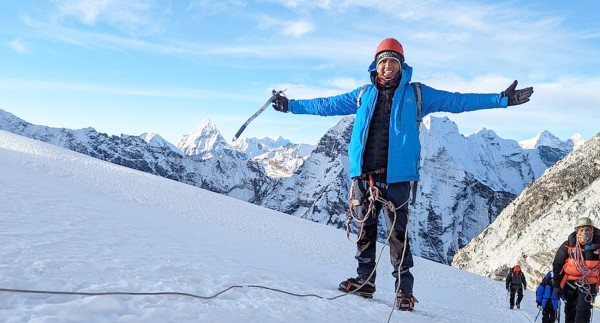
From High Camp at about 5,600 m, you start before dawn on a steep, rocky and icy route. Your guide fixes ropes on the necessary sections, and you use crampons, an ice axe and an ascender to move up the ridge. On top, the panorama includes Everest, Lhotse, Ama Dablam, Makalu, Chamlang and Baruntse. After a short stay, you descend the same route to Base Camp, a total of around 8 hours.
See how every day fits together in the day-by-day Lobuche Peak itinerary.
Lobuche Peak Preparation Checklist
- Pick spring or autumn and book 4+ months ahead
- Follow a 12 to 16 week training plan
- Complete a high-altitude trek or smaller peak first
- Practice crampons, ice axe and fixed-rope skills
- Break in your mountaineering boots
- Get a medical check-up and discuss altitude medication
- Buy insurance covering 6,000 m+ and helicopter evacuation
- Confirm permits, TIMS and visa with your operator
- Pack layers, a down jacket and a warm sleeping bag
- Budget for tips for guides, porters and staff
Frequently Asked Questions
How hard is Lobuche Peak?
Lobuche Peak is a challenging climb. The altitude, long approach, cold tented camps and steep, slightly technical summit day demand good fitness, acclimatization and some prior experience.
Is Lobuche East harder than Island Peak?
Many climbers find Lobuche East more technical because of its steeper rock and ice sections and fixed-rope climbing, though both are demanding. Your fitness, skills and conditions on the day all matter.
Do I need mountaineering experience for Lobuche Peak?
Prior mountaineering or high-altitude experience is recommended. You do not need to be an expert, but you should be comfortable with crampons, ropes and cold conditions, and you should climb with a licensed guide.
How long should I train for Lobuche Peak?
Plan 12 to 16 weeks of structured training covering cardio, leg strength, upper-body strength and loaded hiking.
What is the best time to climb Lobuche Peak?
March to May and September to November offer the most stable weather and clearest views.
How many days does Lobuche Peak take?
The standard itinerary is 16 days from Kathmandu, including Everest Base Camp, Kalapatthar and the summit climb.
Does the trip include Everest Base Camp?
Yes. The itinerary visits Everest Base Camp (5,364 m) and Kalapatthar (5,545 m) as part of acclimatization before the climb.
Is helicopter evacuation included?
No. Rescue arrangements are included, but emergency evacuation by helicopter and personal insurance are excluded, so buy a policy that covers them.
Related Climbs and Treks to Consider
- Island Peak Climbing, a popular Khumbu climb
- Mera Peak Climbing, Nepal's highest trekking peak
- Everest Base Camp trek with helicopter return
- Everest Panorama Trek, an easier Everest-region option
- All peak climbing trips in Nepal
Final Thoughts: Your Summit Starts at Home
Lobuche Peak asks for more than fitness. It asks for patience, preparation and respect for the mountain. Train consistently, build technical confidence, acclimatize carefully, pack smart, secure the right insurance and climb with an experienced team, and you give yourself an excellent chance of standing on Lobuche East with Everest in view.
Ready to plan your summit? Explore the Lobuche Peak Climbing expedition or get in touch with Mountain Eco Treks. More guides are on the Mountain Eco Treks blog.
Fees, permit rules and itineraries can change. Always confirm current details with your operator before booking.
Recent From Blog

19th Apr, 2019


23rd Dec, 2018

11th Jan, 2024

14th Jan, 2024

29th Jan, 2025

11th Feb, 2025

18th Feb, 2025

25th Feb, 2025

5th Apr, 2025
23rd Dec, 2025
9th May, 2026
12th Jul, 2026

13th Aug, 2026
13th Aug, 2026
13th Aug, 2026

16th Aug, 2026
20th Aug, 2026


11th Sep, 2026
24th Sep, 2026
25th Sep, 2026
5th Oct, 2026
6th Oct, 2026
11th Oct, 2026
13th Oct, 2026

4th Nov, 2026